

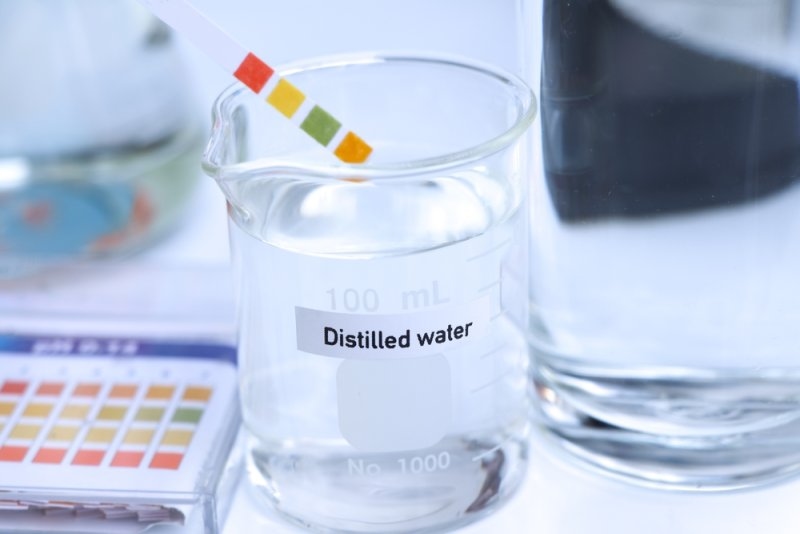
The process of distillation is to heat water to boiling, then isolate the condensed gas after it cools; most solids and all dissolved minerals go down the drain.
Properly made and stored distilled water can give you as much hydration as any other clean drinking water. Drinking distilled water is not necessarily healthier than drinking any other healthy, treated water with naturally occurring minerals.
Yes, for the most part, it is okay to drink distilled water daily. How often can you drink distilled water? Since distilled water is safe to drink, most healthy people can include it in their daily hydration routine.
The primary reason is that it has a lot less mineral content. It doesn't have a lot of calcium, magnesium, or other minerals in the water. If you like its pure flavour or require high degrees of purity, you can use distilled water without replacing the rest of your water sources.
It may be if you're looking for water with the least amount of dissolved impurities. The safety of distiled water also depends on the method used to distil and how the product is stored. Well-produced distilled water can eliminate a significant number of impurities from the source water.
Nonetheless, you shouldn't expect too much from the special distilled water benefits you may hear about. It isn't a cure for anything, nor is it a detox. Its main health benefit is just that it can purify water.
Safe tap water may contain natural minerals, whereas distillation removes most dissolved minerals. Depending on the town’s water supply, it may also have been treated to reduce microbes and other impurities.
It is up to you, although local water quality and your preference have a lot to do with it. If you're drinking water from the tap, there's probably little reason not to. You might consider distilled water if you particularly don't want minerals in your water.
The obvious side effect of drinking distilled water is hydration. In most cases, you don't need to have minerals in every glass of water because you get vital nutrients from food like calcium and magnesium.
Some find that this flatness makes it seem like boiled or mineral water has a smoother taste to it. It's because most of the dissolved minerals are gone. If your diet's deficient, though, overall nutrition is far more important than what kind of drinking water you select.
Here are some important factors to remember when consuming distilled water regularly.
Distilled water made for health is generally not known to cause any adverse health effects in most people who drink it. It is distasteful to some, and to others, the fact that it contains no dissolved solids makes it desirable.
Is the water really pure? The concept of distilled water "purified" from minerals is misleading. Drinking too much of any water can upset your electrolyte balance, but people with medical restrictions for fluid and electrolyte intake should consult their doctors.
Purification: The biggest benefit of drinking distilled water is that it is highly purified. Distillation can eliminate a lot of dissolved chemicals and impurities from the water.
Distilled water benefits shouldn't be conflated with the documented medicinal benefits. Consuming distilled water does not improve health through the mere fact that it is low in minerals. Many types of safe drinking water can offer a good source of daily hydration.
The answer to the question Can You Drink Distilled Water Every Day?" is: Yes, for healthy individuals when it is handled and stored correctly. You may add distilled water to your daily diet as long as you're eating a lot of healthy foods and your menu contains all the nutrients.
The adverse effects of distilled water consumption are usually unlikely to be an issue in healthy individuals who are drinking a typical amount of water.
Things you might want to consider before you start drinking distilled water every day:
The answer is yes. For healthy individuals, distilled water for drinking regularly can be a part of an adequate hydration routine, as it adds water to the diet without any calories, sugar, or other additives.
Only do this if you have a safe supply of high-quality water – no need to go for the most purified water (i.e., distilled). Any quality water that is suitable for drinking will also hydrate well enough. The most suitable water is the one that's safe and easy to drink.
So, is distilled water safe to drink? Drinking distilled water should not pose any problems for most people most of the time when consuming it regularly, and when it is distilled correctly, there is no reason not to drink it. The only difference between distilled water and other drinking water sources is that distilled water has no minerals in it.
There is nothing to be worried about drinking distilled water every day if you are consuming a healthy, mineral-filled diet.
There is no known difference in the digestion of distilled water as compared to any other. Drinking enough water keeps our body hydrated, which allows it to carry out many tasks, including digestion. The type of safe drinking water is not as important as how much you drink and what you eat.
Distilled water for pregnancy: can you drink it? During pregnancy, no water is better than healthy, diet-balanced water. However, a certain mineral balance is needed in the diet because naturally distilled water has very few minerals.
What kind of water do you use to make formula? The type of water you should use to prepare your baby's formula will depend on your baby's age, health, and the quality of the water and the formula being used. Use only the amount of distilled water that the formula instructions or your child's healthcare provider specifies.
It has, in fact, a minimal quantity of natural minerals because nearly all dissolved elements are removed during the distillation process. Therefore, it supplies fewer electrolytes than most other categories of drinking water.
Is either better? Thanks to distillation, you get rid of other dissolved compounds; with filtration, processes are designed to get rid of different factors and contaminants. It depends entirely on the quality of your natural water, the filtration and purification you wish to use, and the contaminants you wish to get rid of.
This content was created by AI